Introduction
What is "carrion"?
Carrion is a noun that means "dead or putrefying flesh."
So a carrion bird is…
A "carrion bird" is a bird that eats carrion.
Ew. Isn't that gross?
Well, maybe a little. A few animals, including some birds, are scavengers — they rely on dead animals as a food source. This page is dedicated to those birds and the valuable work they do to keep our world a little cleaner.
What non-bird animals eat carrion?
Many omnivores and carnivores like dogs, cats, rodents, skunks, opossums, and coyotes turn to carrion when necessary or convenient. Insects eat carrion too — some beetles and maggots eat exclusively on dead bodies. For more information, see the Ecology of Carrion Decomposition.
Are carrion birds only in North Carolina?
No, carrion birds are found all over the world. North Carolina has just a small share of the worldwide population. You will learn that the largest group of carrion birds — vultures — found in the Americas and those found in Africa, Asia, and Europe, despite their many similarities, are not very closely related to each other.
Okay, I'm ready to learn more about these birds.
The first rank of carrion birds are vultures — fascinating animals that have developed physiological features allowing them to maintain a carrion-only diet without succumbing to disease. Some other birds, namely crows, hawks, and eagles, are occasional carrion eaters. Click the cards below to learn more.
Explore the Birds
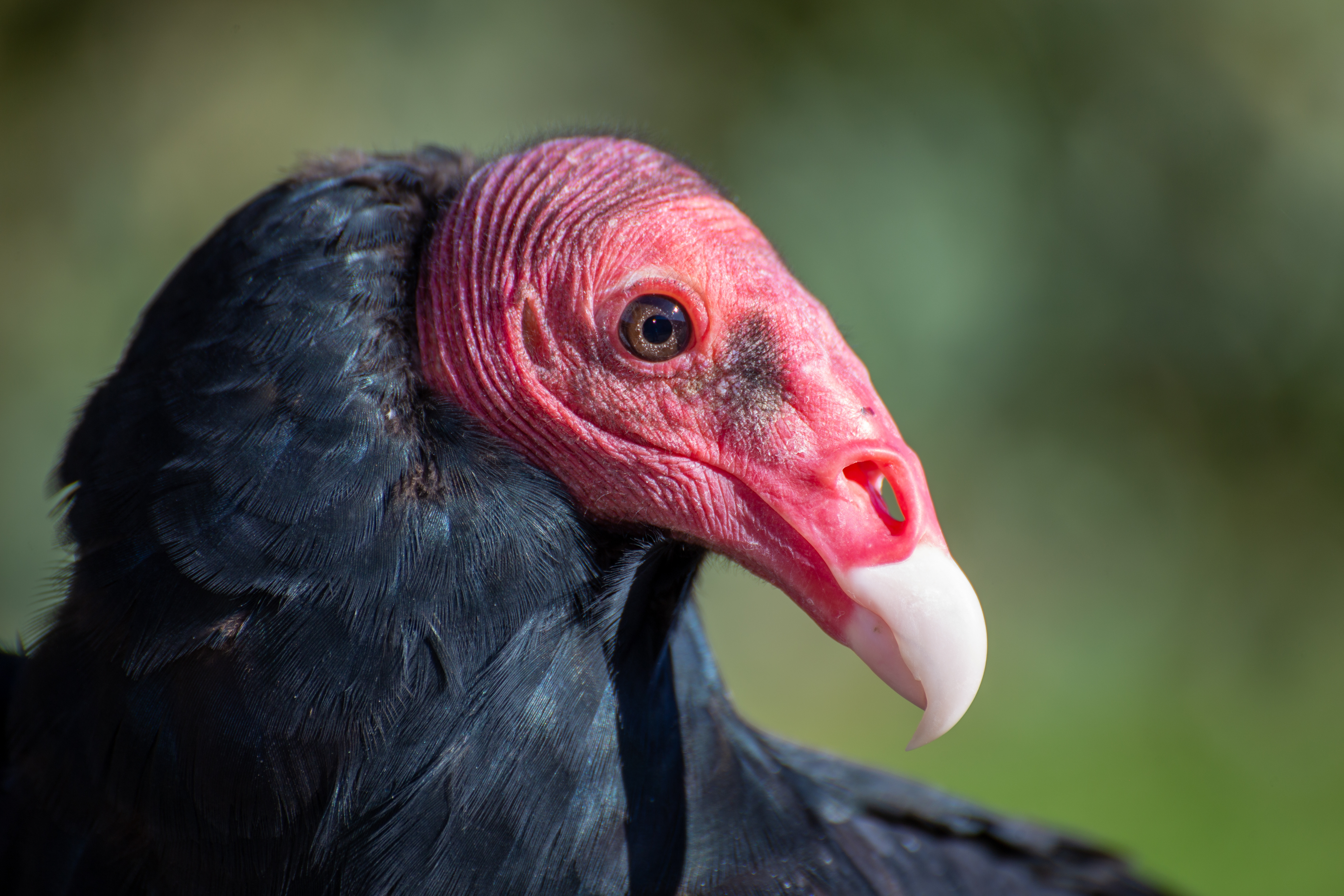
Carrion-only birds
Turkey Vultures and Black Vultures
Meet the dedicated scavengers — birds that have evolved specifically to fill the role of nature's cleanup crew.
Vultures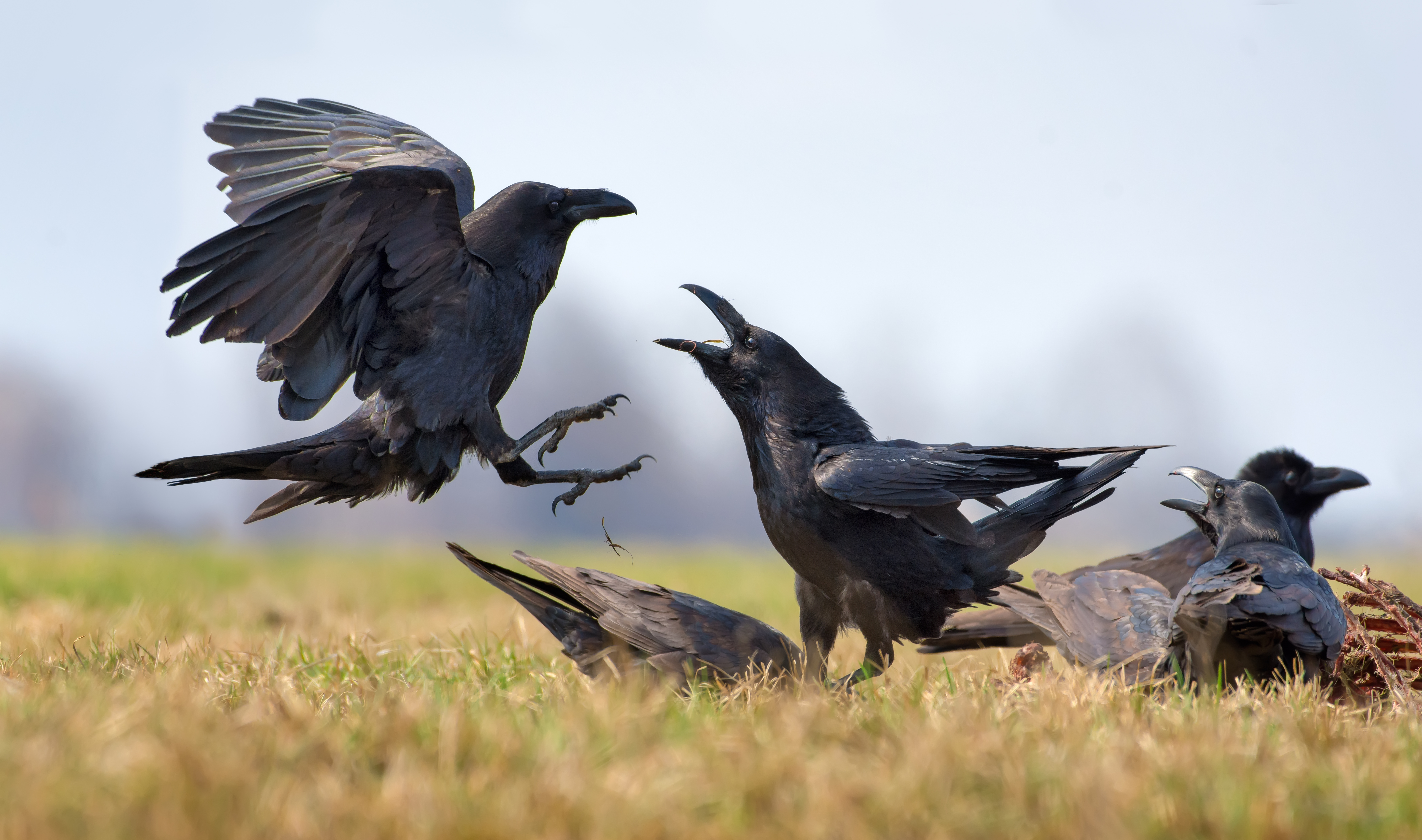
Occasional carrion eaters
Crows and Eagles
Crows, hawks, and eagles are opportunists — primarily predators, but willing to scavenge when the moment calls for it.
Crows and Eagles